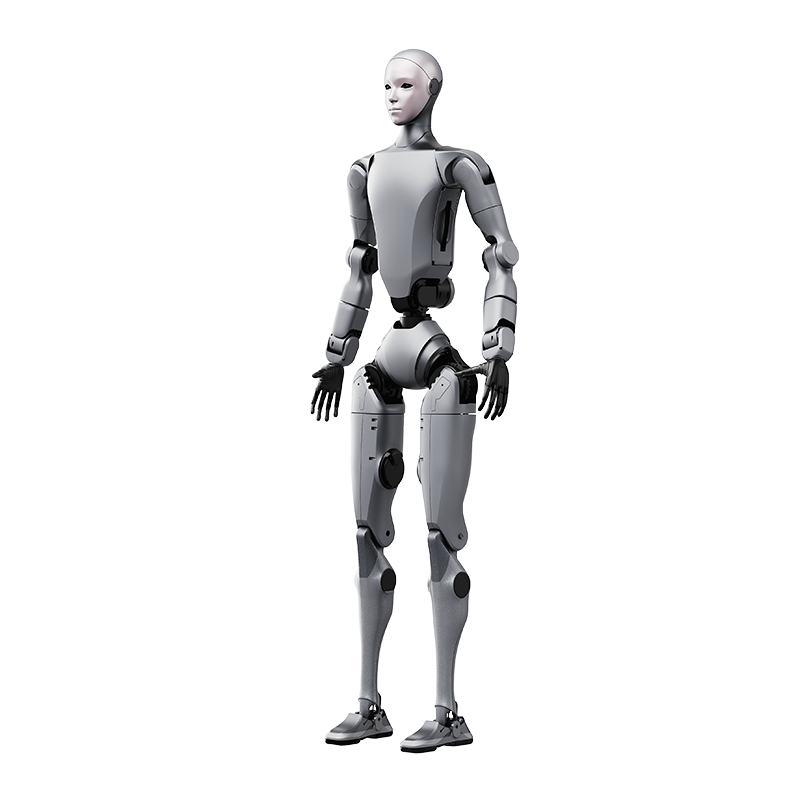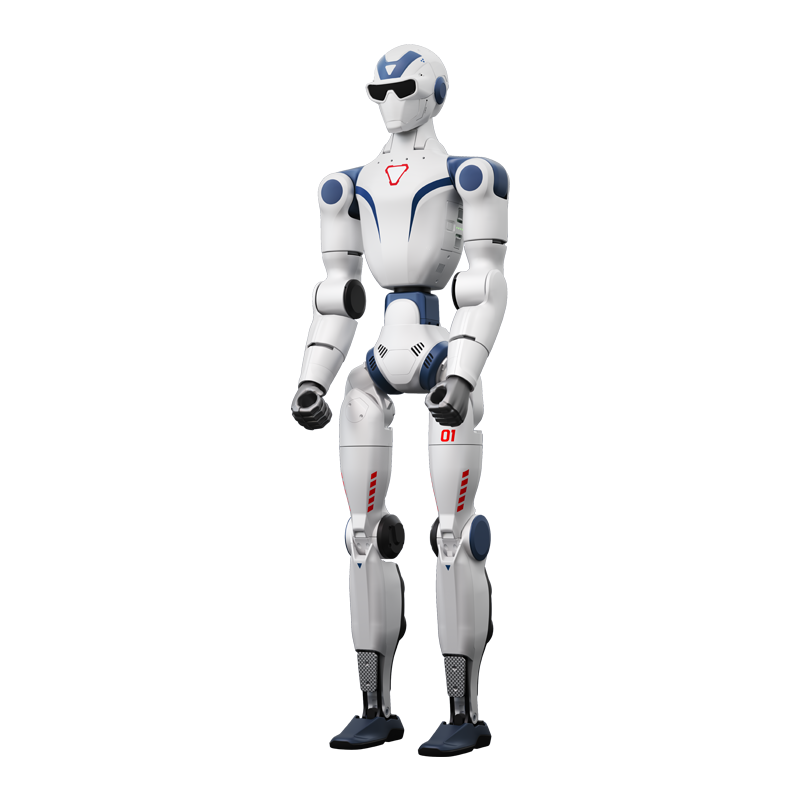
A2 Lite
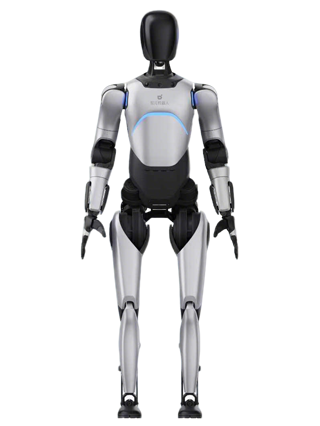
A2 Lite is mainly a lower-cost performance and interaction humanoid. It is not the right choice for a European factory owner seeking manipulation, logistics or production …
Robot directory
Filter published models by supplier, use case, deployment maturity, EU support context, and practical factory-owner fit before opening vendor conversations.
A2 Lite is mainly a lower-cost performance and interaction humanoid. It is not the right choice for a European factory owner seeking manipulation, logistics or production …
Best fit for visitor-facing factory tours, reception, demonstrations, training, and R&D. For actual shop-floor automation, A2 Ultra is less compelling than G2 or wheeled industrial variants …
Long runtime and wheeled stability suit intralogistics pilots, subject to verified navigation safety, payload envelope and interface access.
Adjustable reach and wheeled mobility are useful for data collection and light manipulation, with safety and interface validation still required.
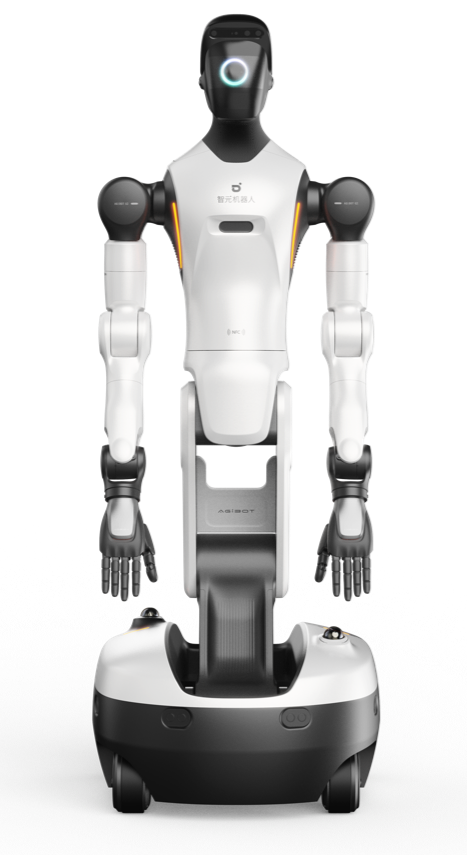
G2 is the strongest factory-fit candidate among A2 Ultra, A2 Lite and G2. It is wheeled, industrial-positioned, IP42-claimed, has 5 kg single-hand load, and has a …
Compact embodied-AI platform for laboratories and education, not a production material-handling robot.
Agile compact development platform; no public payload, runtime or production-safety case supports industrial deployment.
S1 is the higher-dexterity Astribot platform and is more relevant where a buyer needs fast, precise, bimanual manipulation or AI training data. It is not yet …
T1 is the more practical Astribot option for low-cost factory experimentation because it is wheeled, compact, and far cheaper than S1. It is best positioned for …
One of the more open Chinese full-size platforms, with verified partner delivery and current protocols; EU service and conformity remain gaps.
Practical wheel-arm format for patrol and building tasks, but detailed specs, conformity and support are not public.
Useful for locomotion and autonomy research; not sufficiently documented for manipulation or factory workflow procurement.
Portable, transparent and relatively affordable developer robot; not designed for factory payload tasks.
Mature developer platform with strong research references, not a turnkey industrial worker.
T2 has the most factory-relevant Booster hardware, but remains a development platform without published industrial conformity or production references.
Interesting mobility platform, but insufficient manipulation, runtime, software and safety information for factory task selection.
Ruggedization and modular maintenance address real industrial needs, but headline claims need reports, detailed specs and customer evidence.
Useful for collecting manipulation data and training policies, not for autonomous factory transport.
Strong manipulation/development positioning and an established industrial supplier, but ATOM-specific safety, battery, payload and production-duty data are incomplete.
Form factor and repeatability target factory tasks, but specifications, delivery evidence and safety documentation remain sparse.
Open, compact and relatively affordable, but payload, safety functions and production-duty validation are insufficient for unattended factory work.
Lower-body development platform, not a turnkey manipulation solution.
Mobility-focused full-size platform with too little public payload, safety and software detail for factory selection.
Strong published dynamics, runtime and edition transparency, but safety certification, duty cycle under payload and real production references must be validated.
GR-1 is important historically and may be useful for research, perception, mobility, and demonstrations. For a European factory owner making a new buying decision, GR-2 is …
Most relevant Fourier humanoid for European factory owners. The 12-DoF tactile hands, 53 DoF body, 2-hour battery, ROS/MuJoCo/Isaac Lab support, and 3 kg single-arm load make …
GR-3 matters less for factory owners choosing a production-floor humanoid. It may fit showrooms, training centers, worker guidance, healthcare facilities, or visitor-facing roles. For core factory …
Best suited to light-to-medium manipulation, shelf/counter work, item handling, internal logistics pilots, and embodied-AI evaluation. Less suitable than S1 for heavy factory payloads.
Most relevant Galbot model for European factory owners because it targets heavy handling, logistics, and industrial workflows. Main adoption blockers are EU conformity evidence, safety integration, …
K1 is important as Kepler's predecessor to K2, but a European factory owner should usually evaluate K2 first because public K2 data is more current and …
K2 is Kepler's most relevant robot for factory owners because it is explicitly positioned for intelligent manufacturing, warehousing/logistics, high-risk operations, patrol/inspection, material handling, stamping material collection, …
KUAVO 4Pro matters mainly as the prior full-size platform and software/dataset ecosystem base. For a European factory owner buying new hardware, it is usually less compelling …
Most relevant Leju model for factories needing a full-size humanoid body and bimanual manipulation, especially where legged mobility is part of the research hypothesis. European buyers …
For European factory owners, KUAVO 5-W is probably more practical than the bipedal KUAVO 5 for warehouses, automotive plants, and internal logistics because wheels reduce locomotion …
KUAVO-MY is useful if the buyer wants to build a humanoid data and imitation-learning pipeline. It is not the obvious choice for immediate production handling tasks …
ROBAN 2 is relevant to factory owners mainly for workforce training, university partnerships, internal robotics labs, and demonstrations. It should not be presented as a production …
CL-1 is relevant because LimX publicly demonstrated warehouse-style heavy-object loading, but it is not clearly a current commercial product. Ask whether CL-1 has been superseded by …
Luna is a poor fit for factory automation decisions. It may be useful for a factory showroom, trade fair booth, reception area, or public demonstration, but …
The most relevant LimX humanoid for European factories. Strongest fit is inspection, embodied-AI R&D, teleoperation data collection, and guarded mobile-manipulation pilots. Production use requires safety integration, …
Good for robotics teams building locomotion, reinforcement-learning, and Sim2Real know-how. Not a direct factory robot for payload handling, production work, or autonomous inspection.
TRON 2 may be the most practical LimX platform for near-term factory experimentation because it combines dual arms, wheeled mobility, payload capacity, teleoperation, ROS1/ROS2 support, and …
Detailed public hardware specification and factory training make it relevant, but accuracy, duty cycle, safety and independent deployments need validation.
Affordable compact humanoid for learning and entertainment, not factory automation.
More capable than Bumi or N2 for payload research, but not documented as a production industrial robot.
Athletic compact humanoid for education and motion research, with limited industrial manipulation value.
More mature and use-case-specific than a biped for building service, but arm payload, manipulation reliability and exact safety certification still need verification.
Purpose-built industrial semi-humanoid with practical payload and battery-swapping claims, but newly launched and not yet backed by public long-duration customer evidence.
Strong headline manipulation and mobility specifications, but the supplier explicitly says some features are unavailable and the product continues to evolve.
Strong headline payload and dexterity, but runtime, safety, accuracy, support and shipped configuration need evidence.
Well-documented high-dynamic research platform, but lifecycle and production-duty support need confirmation.
Service and interaction platform with limited payload; newer Walker S-series models are the more relevant UBTECH industrial family.
Lightweight service platform with useful standing runtime, but unclear payload and limited public industrial integration detail.
Walker S is important as the foundation of UBTECH's factory humanoid story. For new European deployments, it is probably a second-choice option unless pricing, availability or …
Walker S1 is relevant for factory owners who want a more established industrial humanoid generation than Walker S2. It appears less compelling than Walker S2 for …
Most important UBTECH humanoid for European factory owners. Strongest public industrial story, autonomous battery swapping, 15 kg handling claim, task-planning layer and reported mass delivery. Treat …
Designed for interaction and service demonstrations rather than material handling or continuous industrial work.
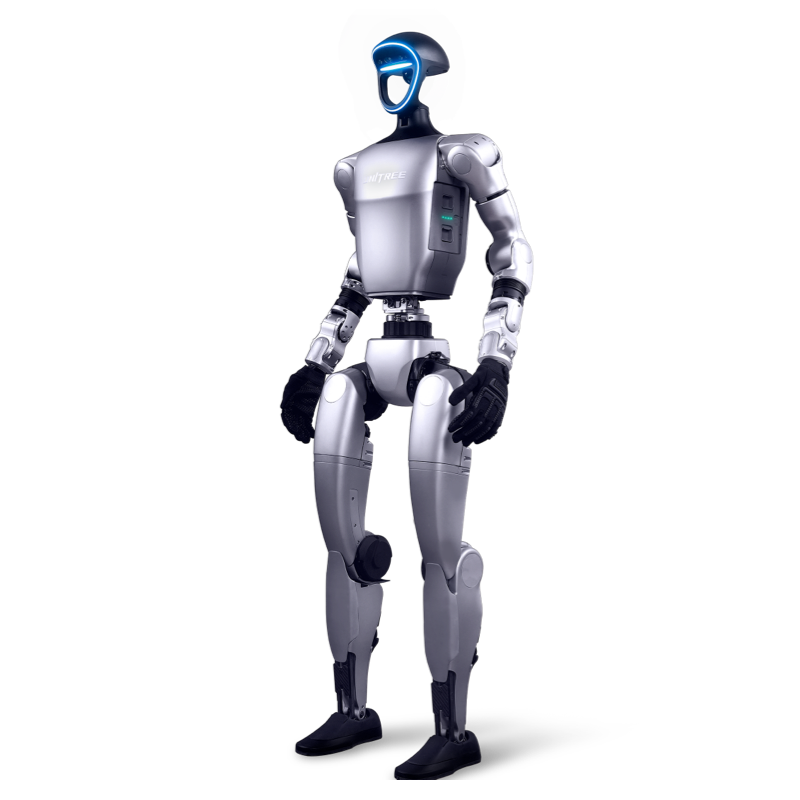
Best Unitree humanoid for low-cost physical AI and manipulation experiments. Not a turnkey factory worker.
Powerful mobile research platform, but public payload, duty-cycle and functional-safety evidence is insufficient for unguarded production use.
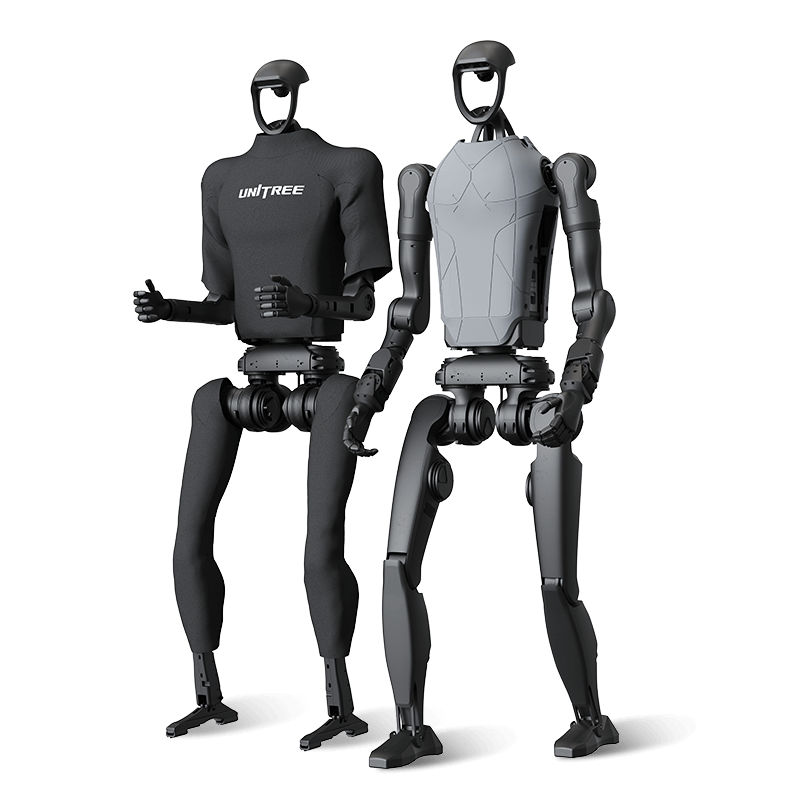
Most relevant current Unitree humanoid for serious factory R&D because of full-size form factor, stronger arms and 7 kg rated arm payload, but still not turnkey …
Strategically important next-generation Unitree platform with full-size body, 31 DOF, 7 kg rated arm payload and longer listed battery life, but H2-specific industrial maturity needs verification.
Useful as a low-cost learning and experimentation platform, but not a serious factory automation candidate.